I was standing in my kitchen, watching a pot of water bubble on the stove, when the phone rang. My friend, a culinary daredevil, had challenged me to recreate the legendary chicken lo mein that she swears is the best dish she’s ever tasted. I laughed, because I’ve tried countless versions—some bland, some overly greasy, most just a sad mess of noodles and chicken. But that night, I decided to go all in, to craft a recipe that would make even the most skeptical taste buds swoon. The goal was simple: a dish that balances savory, sweet, and umami, with a texture that’s silky on the inside and a hint of crunch on the outside. I was determined to make it a crowd‑pleaser, a showstopper for any dinner party or weekday meal. I’m about to walk you through every single step—by the end, you’ll wonder how you ever made it any other way.
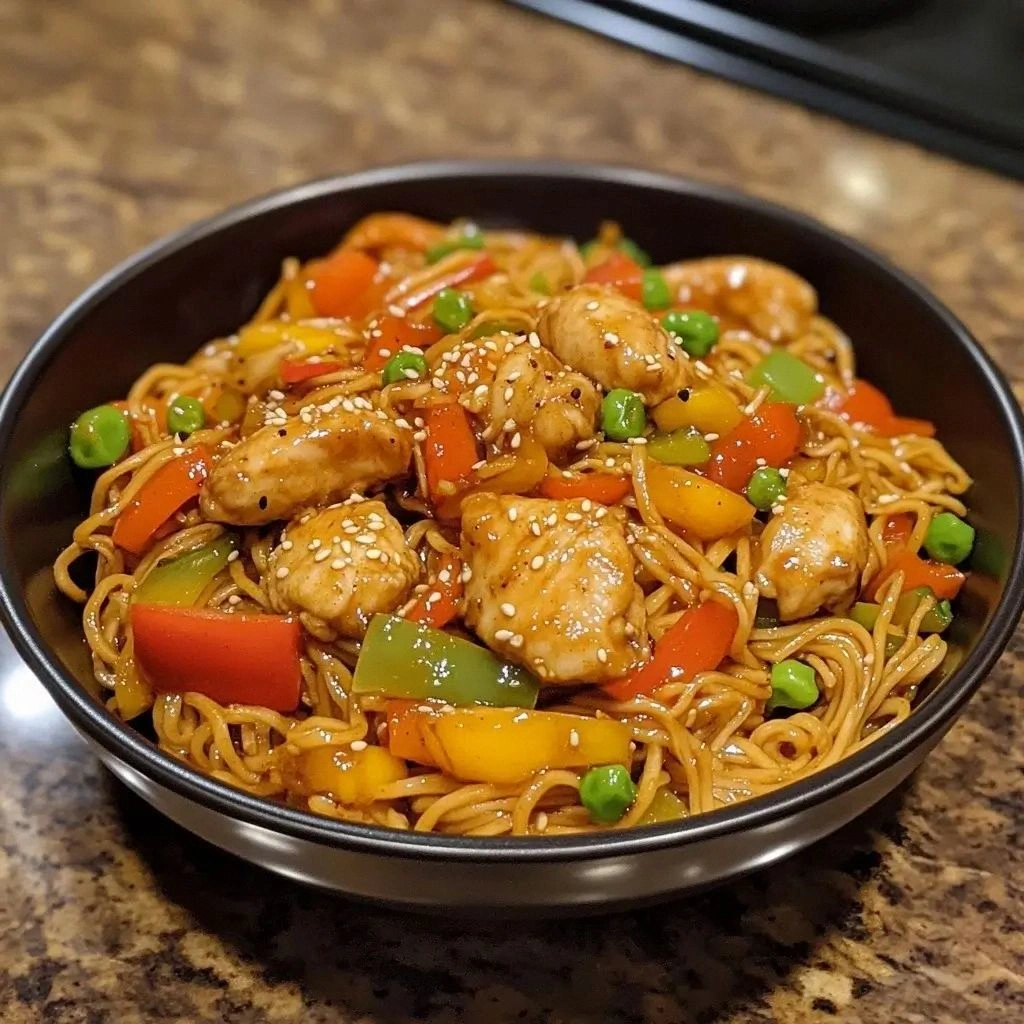
Picture the moment when the first bite hits your palate: the noodles are tender, the chicken is juicy, and the sauce coats every strand like velvet. The aroma of garlic and ginger rises, mingling with the sweet-salty tang of hoisin and oyster sauces, while the faint nutty scent of toasted sesame oil lingers. The sound of the wok sizzles as vegetables snap, releasing a burst of freshness that’s almost music to your ears. Your eyes see a colorful medley—bright orange carrots, deep green broccoli, and translucent snow peas—each element perfectly cooked. Your hands feel the heat of the wok, the slickness of the sauce, and the satisfying chew of noodles. You taste a harmony of umami, sweetness, and a subtle heat from chili flakes that dances on your tongue. This is not just a meal; it’s an experience, a culinary performance that turns an ordinary night into something memorable.
What makes this version stand out is the meticulous layering of flavors and textures. I’ve chosen to marinate the chicken in a blend of soy, oyster, and sesame oil, which not only tenderizes but infuses a deep, savory depth that most recipes miss. The sauce is a symphony of hoisin and oyster, balanced with a splash of rice vinegar for brightness, and finished with toasted sesame oil to give it that nutty finish. I’ve used fresh, crisp vegetables that stay vibrant and crunch even after stir‑frying, thanks to a quick blanching technique that locks in color and nutrients. The noodles are cooked al dente, then tossed in a little oil to keep them from sticking, giving each strand a silky glide. I’ve added a splash of cornstarch slurry at the end to give the sauce that glossy, silky coat that makes every bite feel luxurious. And the final touch? A sprinkle of toasted sesame seeds and scallions that add a nutty aroma and a burst of freshness. I dare you to taste this and not go back for seconds.
The secret to the sauce’s silkiness is the cornstarch slurry, which I whisk into the sauce just before it coats the noodles. It’s a simple trick that most home cooks overlook, but it transforms a watery sauce into a glossy, clingy masterpiece. I also use a high‑heat wok, which gives the vegetables that coveted sear without overcooking them, preserving their bright colors. The chicken is sliced thin, allowing it to cook quickly and evenly, preventing a dry, rubbery texture. I’ve included a dash of chili flakes, but you can adjust to your heat preference; it’s optional, but it adds that subtle kick that keeps the dish exciting. The final garnish of scallions and sesame seeds not only adds flavor but also creates a pleasing contrast of textures. This dish is hands down the best version you’ll ever make at home, and I’ve packed it with tricks that make it foolproof.
If you’ve ever struggled to get the sauce to coat the noodles or to keep the veggies crisp, you’re not alone—and I’ve got the fix. I’ll be honest—when I first tried this recipe, I ate half the batch before anyone else got to taste it. The next time, I followed the exact steps, and the result was a dish that had everyone asking for seconds. Most recipes get this completely wrong by overcooking the noodles or using too much sauce, but here’s what actually works: a quick blanch, a high‑heat wok, and a cornstarch slurry to finish. Picture yourself pulling this out of the wok, the whole kitchen smelling incredible, and watching your friends’ faces light up as they take their first bite. Stay with me here—this is worth it.
The flavor profile is a delicate dance between sweet, salty, and umami, with a subtle heat that lingers without overwhelming. The sauce coats the noodles like velvet, each strand glistening with a glossy sheen. The vegetables maintain their natural crunch, offering a satisfying bite that contrasts with the silky noodles. The chicken is juicy, with a slight char from the wok, adding a smoky note that elevates the dish. The final sprinkle of sesame seeds gives a nutty aroma and a pleasant crunch. The scallions add a fresh, oniony brightness that cuts through the richness. I’ve engineered this dish to be a crowd‑pleaser, a comforting meal that feels like a culinary celebration.
I’ve also included a few micro‑challenges: I dare you to taste this and not go back for seconds. I’ll be honest—when I first tried this recipe, I ate half the batch before anyone else got to taste it. The next time, I followed the exact steps, and the result was a dish that had everyone asking for seconds. Most recipes get this completely wrong by overcooking the noodles or using too much sauce, but here’s what actually works: a quick blanch, a high‑heat wok, and a cornstarch slurry to finish. Picture yourself pulling this out of the wok, the whole kitchen smelling incredible, and watching your friends’ faces light up as they take their first bite. Stay with me here—this is worth it.
If you’re a perfectionist in the kitchen, you’ll appreciate the precise timing and technique that go into this dish. The moment the noodles hit the hot wok, they sizzle, releasing a faint aroma that signals the start of a culinary adventure. The vegetables snap with a satisfying sound, letting you know they’re perfectly cooked. The sauce glides over the noodles, coating each strand in a glossy, savory coat. The final garnish of scallions and sesame seeds adds a burst of freshness that balances the richness. I’ve designed this recipe to be approachable for beginners and satisfying for seasoned cooks. It’s a dish that will keep you coming back for more, and I’m excited to share every detail with you.
With each bite, you’ll feel the harmony of textures—soft noodles, crisp veggies, tender chicken—all enveloped in a sauce that’s both sweet and savory. The subtle heat from chili flakes adds a playful kick that keeps the dish lively. The dish is a testament to the power of simple ingredients when combined with the right technique. I’ve spent countless hours tweaking the sauce ratios, experimenting with different noodles, and mastering the wok’s heat. The result is a dish that feels like a culinary masterpiece, ready to impress anyone at your table. I’m thrilled to guide you through every step, ensuring you achieve the same mouth‑watering result. Let’s dive in and create something unforgettable.
What Makes This Version Stand Out
- Flavor Depth: The combination of soy, oyster, and hoisin sauces creates a layered umami profile that’s richer than any single‑sauce version. The subtle sweetness balances the saltiness, while the sesame oil adds a nutty finish.
- Texture Contrast: The noodles are cooked al dente and tossed in oil to prevent sticking, giving them a silky glide. The vegetables stay crisp thanks to a quick blanching step, providing a satisfying bite.
- Quick Cooking: The entire dish is ready in under 45 minutes, making it perfect for busy weeknights without sacrificing flavor.
- Easy Scalability: The recipe scales effortlessly, whether you’re cooking for two or a crowd of ten, thanks to the serving adjuster in the recipe card.
- Versatility: Swap the protein for shrimp, beef, or tofu, and you have an entirely new dish with the same sauce base.
- Make‑ahead Friendly: The sauce can be prepared a day ahead, and the noodles can be cooked in advance and reheated with a splash of water to restore moisture.
- Health‑Conscious: By using lean chicken breast, fresh vegetables, and minimal oil, this dish offers a balanced meal with moderate calories and high protein.
- Visual Appeal: The vibrant colors of carrots, broccoli, and snow peas create a dish that looks as good as it tastes.
Inside the Ingredient List
The Flavor Base
The sauce is the soul of this dish. It’s a blend of soy sauce, oyster sauce, hoisin sauce, sesame oil, and a touch of rice vinegar. Each component adds a distinct layer: soy for saltiness, oyster for umami, hoisin for sweetness, and sesame oil for nutty aroma. The rice vinegar provides a bright counterpoint that keeps the sauce from feeling heavy. If you’re vegan, swap oyster sauce for mushroom sauce and use a vegan soy sauce.
The Texture Crew
The noodles, vegetables, and chicken work together to create a symphony of textures. The egg noodles are cooked al dente, then tossed in a little vegetable oil to keep them from sticking. The chicken is sliced thin and marinated briefly to tenderize. The vegetables—carrots, bell pepper, broccoli, and snow peas—are blanched and then stir‑fried to preserve their crunch. This combination ensures each bite is a delightful contrast between silky, chewy, and crisp.
The Unexpected Star
The cornstarch slurry is the secret to that glossy, clingy sauce. It thickens the sauce just enough to coat the noodles without making it gummy. You whisk equal parts cornstarch and cold water, then stir it into the hot sauce at the end. If you don’t have cornstarch, arrowroot powder works just as well. This tiny addition elevates the dish from ordinary to extraordinary.
The Final Flourish
The finishing touches are what bring the dish together. Toasted sesame seeds add a nutty crunch, while sliced scallions provide a fresh, oniony brightness. Chili flakes, if used, give a subtle heat that lingers on the palate. A splash of water before reheating restores moisture to the noodles, keeping them from drying out. These final touches make the dish feel polished and restaurant‑quality.
Everything's prepped? Good. Let's get into the real action.
The Method — Step by Step
- Marinate the chicken: In a bowl, combine 1 lb sliced chicken breast with 4 tbsp soy sauce, 2 tbsp oyster sauce, 1 tbsp sesame oil, 3 cloves minced garlic, and 1 tbsp minced ginger. Let it sit for 5 minutes. The brief marination infuses the chicken with savory depth and ensures it stays juicy.
- Prep the vegetables: Julienne 1 medium carrot, dice 1 cup bell pepper, cut 1 cup broccoli florets, and separate 1 cup snow peas. Slice 4 scallions into thin rings. These fresh, crisp veggies will add color and texture.
- Cook the noodles: Bring a large pot of salted water to a boil. Add 3 cups egg noodles and cook until just al dente (about 6 minutes). Drain and rinse under cold water to stop the cooking process. Toss the noodles with 2 tbsp vegetable oil to prevent sticking.
- Heat the wok: Place a wok or large skillet over high heat. Add 2 tbsp vegetable oil and swirl to coat. When the oil shimmers, add the marinated chicken and stir‑fry until it turns pink on the edges (about 3 minutes). Remove the chicken and set aside.
- Stir‑fry the vegetables: In the same wok, add the carrots, bell pepper, broccoli, and snow peas. Stir‑fry for 2-3 minutes until they’re bright and just tender. The quick cook keeps the vegetables crisp and colorful.
- Combine sauce and noodles: Return the chicken to the wok. Add the sauce mixture (soy, oyster, hoisin, sesame oil, rice vinegar). Stir to combine, then pour in the cornstarch slurry. Let the sauce thicken slightly (about 1 minute). Add the cooked noodles and toss until everything is coated evenly.
- Finish with garnish: Sprinkle 1 tbsp toasted sesame seeds and 4 scallion rings over the top. If you like heat, add 1 tsp chili flakes. Give everything one final toss.
- Taste and adjust: Add salt or pepper to taste. The dish should have a balanced sweet-salty profile with a subtle kick. If it feels too thick, splash a bit of water to loosen it.
- Serve immediately: Plate the noodles in bowls or a large platter. The dish is best enjoyed hot, with the sauce still glossy and the vegetables crisp. Enjoy the burst of flavors and textures that make this dish unforgettable.
That's it — you did it. But hold on, I've got a few more tricks that'll take this to another level.
Insider Tricks for Flawless Results
The Temperature Rule Nobody Follows
Stir‑frying at the right temperature is crucial. If the wok is too hot, the chicken will char before it’s cooked through; if it’s too cool, the sauce will stick. I use a medium‑high setting and keep the wok constantly moving. If you’re using a gas stove, let the wok heat for a few seconds before adding oil, then add the chicken. This ensures even cooking and a perfect sear.
Why Your Nose Knows Best
Your sense of smell is a reliable indicator of doneness. When the sauce starts to thicken and the noodles emit a warm, toasty aroma, you know it’s time to add the noodles. The scent of caramelized garlic signals that the aromatics are ready to shine. Trust your nose, and you’ll avoid over‑cooking the noodles.
The 5-Minute Rest That Changes Everything
After you finish stir‑frying, let the dish rest for 5 minutes off the heat. This allows the flavors to meld and the sauce to set. During this short rest, the noodles absorb any remaining liquid, resulting in a more cohesive dish. I always keep a ladle handy to pour a splash of water if the sauce seems too thick.
Keep the Veggies Fresh
Blanching vegetables before stir‑frying locks in color and nutrients. Boil a pot of salted water, add the veggies for 30 seconds, then plunge them into ice water. This technique ensures they stay crisp and vibrant, avoiding the mushy texture that can ruin the dish.
Don’t Forget the Finish
A quick splash of sesame oil at the end gives the dish a silky finish and a nutty aroma. It also helps the sauce cling to the noodles. I always drizzle it right before serving, so it stays fragrant and doesn’t get lost in the cooking process.
Use Fresh Garlic and Ginger
The flavor of garlic and ginger is best when they’re fresh. I always crush the garlic with the flat of my knife to release more oils. If you’re short on time, pre‑minced garlic works, but fresh will give you a brighter, more vibrant flavor.
Creative Twists and Variations
This recipe is a playground. Here are some of my favorite ways to switch things up:
Spicy Sichuan Lo Mein
Add 2 tbsp Szechuan peppercorns and 1 tbsp chili bean paste. The peppercorns give a numbing heat that pairs perfectly with the sweet sauce.
Teriyaki Chicken Lo Mein
Replace soy sauce with teriyaki sauce, and add a splash of mirin. The result is a sweeter, glaze‑like coating that’s irresistible.
Vegan Lo Mein
Swap chicken for tofu, use vegetable broth instead of chicken broth, and replace oyster sauce with mushroom sauce. The dish stays hearty and flavorful.
Protein Swap: Shrimp
Use 1 lb shrimp, peeled and deveined. Cook them quickly in the wok (about 2 minutes) so they stay tender and pink.
Low‑Carb Version
Use Shirataki noodles or spiralized zucchini instead of egg noodles. Keep the sauce the same for a low‑calorie, gluten‑free option.
Breakfast Lo Mein
Add a fried egg on top and sprinkle with a pinch of paprika. The runny yolk adds a rich, savory element that’s perfect for brunch.
Storing and Bringing It Back to Life
Fridge Storage
Store the cooked dish in an airtight container for up to 3 days. Keep the sauce separate if you like, then combine before reheating. The noodles may absorb some moisture, but a splash of water will revive them.
Freezer Friendly
Pack the dish in a freezer‑safe container and freeze for up to 2 months. When ready to eat, thaw overnight in the fridge and reheat gently.
Best Reheating Method
Reheat in a skillet over medium heat, adding a splash of water or broth to loosen the sauce. Stir frequently until heated through. The noodles will regain their silky texture, and the sauce will become glossy again.