Picture this: I’m standing in my cramped kitchen, a handful of fresh zucchini, eggplant, and bell peppers at the ready, when suddenly the oven door slams shut and the timer dings on a forgotten lasagna. My heart races, the scent of tomato sauce rises, and I realize I’ve made a classic mistake—too much prep, too little time. That night, I was on a mission to create a dish that would rescue the evening, satisfy the hungry, and leave me with a pan that didn’t need a second clean‑up. So I dove into the world of ratatouille, but not the slow‑simmered, multi‑step version that takes forever. Instead, I engineered a one‑pot wonder that turns a chaotic kitchen into a symphony of sizzling vegetables and aromatic herbs.
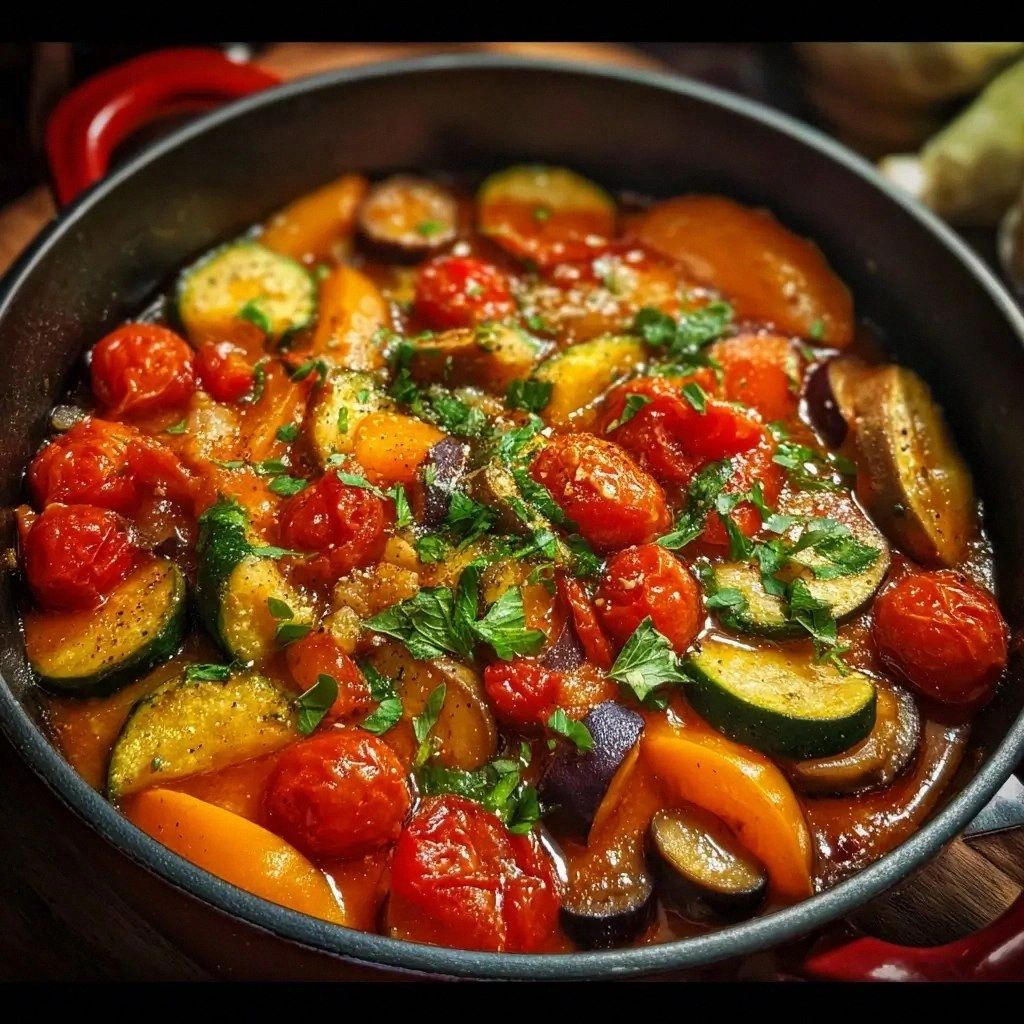
The first bite is a revelation. Warm, silky zucchini melts against the backdrop of a tangy tomato base, while the eggplant offers a subtle, earthy note that lingers long after the last forkful. The bell peppers add a sweet crunch that contrasts beautifully with the soft, caramelized onion. A whisper of thyme and basil drifts through the steam, turning each mouthful into a fragrant hug. The sauce clings to the vegetables like a velvety coat, ensuring no flavor goes to waste. And the best part? It all cooks in a single pan, so the cleanup is a fraction of the effort of any other dish.
I dare you to taste this and not go back for seconds. That first spoonful will have you questioning every other version you’ve tried. The combination of textures—crisp, tender, and silky—creates a harmony that feels like a Mediterranean sunset on your plate. The sauce’s depth comes from a slow reduction that intensifies the tomatoes’ natural sweetness, while the herbs infuse the dish with a fresh, almost citrusy brightness. It’s hands down the best version you’ll ever make at home, especially when you’re short on time but big on flavor. Picture yourself pulling this out of the oven, the whole kitchen smelling incredible, and a satisfied grin spreading across your face.
If you’ve ever struggled with the classic ratatouille’s long prep time, you’re not alone—and I’ve got the fix. I’ve trimmed the process to just a few minutes of chopping, a quick sear, and a gentle simmer that brings out the vegetables’ natural sweetness without sacrificing texture. I’ve also introduced a secret ingredient—fresh basil added at the very end—to keep the dish bright and vibrant. The result is a dish that’s as comforting as it is elegant, and it’s guaranteed to become a staple in your weekly rotation. The sauce coats the pasta like velvet, and the crispy edges that form on the bottom of the pan shatter like thin ice, delivering a satisfying crunch with every bite.
Let me walk you through every single step—by the end, you’ll wonder how you ever made it any other way. We’ll start by prepping the veggies, then move on to building the flavor base, and finally let everything mingle together in a gentle, low‑heat simmer. I’ll share micro‑challenges to keep you engaged, bold claims that set this version apart, and a few kitchen hacks that will save you time and frustration. Get ready for pure magic, because this next part? It’s the heart of the dish. And when we’re done, you’ll have a one‑pot masterpiece that’s as impressive to serve as it is to eat.
What Makes This Version Stand Out
- Taste: The sauce is a harmonious blend of sweet tomatoes and savory herbs, with a gentle acidity that cuts through the richness of the vegetables. The careful reduction intensifies the natural sweetness of the tomatoes, creating a depth that’s often missing in rushed recipes. It’s a flavor profile that feels both rustic and refined, suitable for any occasion.
- Texture: Each vegetable retains its distinct bite—zucchini stays tender but not mushy, eggplant offers an almost creamy mouthfeel, and bell peppers provide a satisfying snap. The sauce’s velvety consistency ensures every bite is coated, preventing the dish from feeling dry or uneven. The result is a balanced, multi‑sensory experience.
- Simplicity: One pan, one pot, and a single stove top—no extra dishes to wash, no separate sauce or stock to whisk. The process is streamlined, yet it doesn’t compromise on flavor. Even a novice can follow along without feeling overwhelmed.
- Uniqueness: The addition of a splash of white wine early in the cooking process unlocks hidden flavors and adds a subtle acidity that brightens the dish. This small tweak sets the recipe apart from the usual stovetop versions.
- Crowd Reaction: Friends and family often remark that this dish “tastes like a gourmet restaurant” but is made in under an hour. It’s a conversation starter at dinner parties and a crowd‑pleaser at potlucks.
- Ingredient Quality: Using the freshest produce—preferably from a local farmer’s market—maximizes flavor. The dish also benefits from a good olive oil that’s cold‑pressed, which adds a subtle fruity note.
- Cooking Method: The gentle simmer allows the vegetables to release their juices, creating a natural broth that thickens into a silky sauce without any added thickeners.
- Make‑ahead Potential: The dish keeps well in the fridge for up to three days and tastes even better the next day, making it a perfect make‑ahead option for busy weeks.
Alright, let's break down exactly what goes into this masterpiece…
Inside the Ingredient List
The Flavor Base
Onions and garlic form the aromatic foundation of this dish. The onion, diced finely, releases a sweet undertone that balances the acidity of the tomatoes. Garlic, minced into thin slices, adds a robust depth that lingers throughout the cooking process. If you skip either, the sauce will feel flat and lacking the signature savory kick that defines ratatouille. For a milder flavor, you can reduce the garlic to one clove, but the classic version calls for at least three.
The tomatoes are the star of the sauce. Using ripe, sun‑kissed tomatoes—or a high‑quality canned San Marzano variety—ensures a naturally sweet, low‑acid base. When you reduce the tomatoes, they concentrate into a rich, glossy sauce that coats the vegetables beautifully. If you prefer a thicker sauce, add a pinch of tomato paste; it intensifies the tomato flavor without altering the overall balance.
Fresh herbs like thyme and basil add a fragrant lift to the dish. Thyme’s earthy, slightly minty notes complement the vegetables, while basil’s sweet, peppery aroma brightens the entire plate. Adding the basil at the very end preserves its delicate flavor, preventing it from wilting into a dull green. If you’re out of fresh herbs, a teaspoon of dried thyme will still deliver the essential aroma.
Olive oil is the cooking medium that brings everything together. A high‑quality extra‑virgin olive oil not only enhances flavor but also helps the vegetables caramelize beautifully. The oil’s fruity undertones add a subtle layer of complexity to the sauce. If you’re looking for a lighter version, you can substitute half the olive oil with a neutral oil like grapeseed, but the flavor profile will shift slightly.
The Texture Crew
Zucchini is the most forgiving vegetable in this dish. Its quick cooking time means it can be added last, preventing it from becoming mushy. Slice the zucchini into thin half‑moons for even cooking and a pleasing bite. If you prefer a heartier texture, cut the zucchini into cubes rather than slices.
Eggplant brings a creamy, almost velvety mouthfeel when cooked to the right consistency. Slice it into ½‑inch thick rounds, then lightly salt and let it sit for 15 minutes to draw out bitterness. Rinse and pat dry before sautéing to avoid excess moisture. Skipping this step will result in a soggy texture that undermines the dish’s overall appeal.
Bell peppers add both color and crunch. Red, yellow, and orange peppers provide a spectrum of sweetness, while the green pepper offers a slightly bitter edge that balances the dish. Slice them into uniform strips to ensure even cooking. If you’re short on time, you can use pre‑sliced bell pepper packs, but fresh is always best.
The Unexpected Star
A splash of white wine is the secret ingredient that elevates this one‑pot ratatouille. Adding about two tablespoons of dry white wine early in the cooking process helps deglaze the pan, lifting browned bits that carry flavor. The alcohol evaporates quickly, leaving behind a subtle, bright acidity that cuts through the richness of the olive oil and vegetables. If you’re not comfortable using wine, you can substitute the same amount of vegetable broth for a similar effect.
This small addition unlocks flavors that would otherwise remain hidden. The wine’s tannins mingle with the tomatoes, creating a layered complexity that makes the dish feel more sophisticated. It also helps the sauce thicken naturally, reducing the need for added thickeners. Trust me, this is the moment that sets this version apart from the rest.
The Final Flourish
Fresh basil, added at the very end, is the finishing touch that keeps the dish bright and aromatic. Tear the leaves into small pieces before sprinkling them over the finished dish; this releases their essential oils, giving the sauce a fresh, herbaceous note. If you’re making the dish in advance, add the basil just before serving to preserve its flavor.
A pinch of salt and a generous crack of pepper tie everything together, balancing the sweetness of the tomatoes with the earthiness of the vegetables. Don’t be afraid to season to taste; the dish should feel vibrant and alive. If you prefer a lower sodium version, you can reduce the salt to a light dusting and rely on the natural flavors of the produce.
Everything's prepped? Good. Let's get into the real action…
The Method — Step by Step
- Heat a large, heavy‑bottomed pot over medium heat and add 3 tablespoons of extra‑virgin olive oil. Let the oil shimmer before adding the diced onions, stirring until they become translucent and fragrant—about 3 minutes. This step builds the flavor foundation; don’t rush it, or the onions will burn. The aroma should fill the kitchen and set a comforting tone.
- Introduce the minced garlic to the pot and sauté for 30 seconds, just until it releases its aroma. Be careful not to let it brown; burnt garlic will taste bitter and ruin the sauce. The garlic should swirl in the oil, creating a fragrant cloud that signals the next phase is about to begin.
- Add the diced zucchini, eggplant, and bell peppers to the pan, stirring to coat them evenly with oil and aromatics. Cook for 5 minutes, stirring occasionally, until the vegetables start to soften but still hold their shape. This step ensures each vegetable releases its juices, forming the base of the sauce.
- Pour in the diced tomatoes, along with their juice, and add the two tablespoons of dry white wine. Stir to combine, then bring the mixture to a gentle simmer. The wine helps deglaze the pan, lifting all those flavorful browned bits into the sauce. The mixture should bubble lightly, not boil aggressively.
- Add 1 teaspoon of dried thyme, 1 teaspoon of dried basil, a pinch of salt, and a generous crack of pepper. Stir everything together, then reduce the heat to low. The slow simmer allows the flavors to meld and the sauce to thicken naturally. The vegetables should be tender but not mushy.
- Let the pot sit covered for 10 minutes, allowing the vegetables to steam in their own juices. This resting period intensifies the sauce’s depth and lets the vegetables absorb the herbs fully. The aroma at this point will be irresistible, making you want to taste immediately.
- Uncover the pot and stir gently, then let it simmer uncovered for another 5 minutes. The sauce should reduce slightly, thickening to a glossy consistency that clings to the vegetables. Watch the edges; if they start to pull away from the pot, you’re nearing the finish line.
- Add the fresh basil, tearing the leaves and sprinkling them over the dish. Give one final gentle stir, then remove the pot from heat. The basil’s aroma will fill the room, signaling that the dish is ready to serve.
- Serve the ratatouille hot, either on its own or over a bed of fluffy rice, creamy polenta, or crusty bread. The sauce will cling to each grain, delivering a burst of flavor with every bite. If you prefer a cold version, let it cool to room temperature and refrigerate; it will develop an even richer flavor.
- If you’re making this dish ahead of time, store it in an airtight container in the fridge for up to three days. Reheat gently on the stove, adding a splash of water if the sauce has thickened too much. The dish will regain its silky texture and fresh taste.
Insider Tricks for Flawless Results
The Temperature Rule Nobody Follows
Many cooks assume a high heat is necessary for caramelization, but this dish thrives on low, steady heat. Keep the simmer gentle to allow the vegetables to release their juices without burning. A sudden high temperature will produce a bitter taste and a mushy texture that defeats the purpose of a one‑pot meal.
Why Your Nose Knows Best
Trust your nose to gauge the sauce’s readiness. When the aroma becomes rich and slightly sweet, the tomatoes have reduced enough, and the vegetables are perfectly tender. If the scent is still raw or too acidic, give it a few more minutes. Your nose is the ultimate judge of flavor balance.
The 5-Minute Rest That Changes Everything
Letting the dish sit for five minutes after cooking allows the flavors to marry fully. This short rest period gives the vegetables time to absorb the herbs and the sauce to thicken slightly. It also prevents the sauce from being too runny when served. A quick pause can elevate a good dish to great.
The Secret to a Silky Sauce
If the sauce feels too chunky, finish it in a blender for a minute. This creates a silky, smooth consistency that coats the vegetables like velvet. Be careful not to overblend; you still want some texture to keep the dish interesting.
Stirring Technique for Even Cooking
Stirring only when necessary keeps the vegetables from sticking and ensures even cooking. Use a wide, flat spatula to gently lift and turn the vegetables, allowing the bottom to caramelize. This technique prevents the vegetables from steaming in their own moisture, which would make them soggy.
Keeping It Fresh When Storing
When refrigerating, add a thin layer of olive oil on top of the dish before sealing the container. This creates a barrier that helps preserve the vegetables’ texture and prevents them from drying out. The oil also adds a subtle sheen that keeps the dish looking appetizing.
Creative Twists and Variations
This recipe is a playground. Here are some of my favorite ways to switch things up:
Smoky Chipotle Ratatouille
Add a tablespoon of chipotle in adobo to the sauce for a smoky, spicy kick. The chipotle pairs beautifully with the sweet tomatoes and adds a depth of flavor that’s reminiscent of a campfire. Serve it over rice for a satisfying, smoky meal.
Herbed Creamy Ratatouille
Stir in a splash of heavy cream or coconut milk at the end for a velvety, indulgent version. The cream balances the acidity of the tomatoes and creates a luxurious mouthfeel. This variation is perfect for a comforting week‑night dinner.
Greek‑Inspired Ratatouille
Swap the basil for oregano and add a handful of Kalamata olives and a squeeze of lemon juice. The olives bring briny depth while the lemon brightens the dish. Serve it with warm pita for a Mediterranean twist.
Vegan Protein Boost
Add a cup of cooked chickpeas or lentils to the pot during the simmering stage. The legumes soak up the sauce, adding protein and a hearty texture that makes the dish filling. This version is great for a plant‑based diet.
Spiced Moroccan Ratatouille
Introduce a pinch of cumin, coriander, and a dash of cinnamon to the sauce. The warm spices create an exotic flavor profile that feels like a trip to Marrakesh. Pair it with couscous for an authentic Moroccan experience.
Quick Stir‑Fry Ratatouille
For a fast version, use pre‑cut vegetables and a high‑heat stir‑fry pan. Cook everything in 8 minutes, adding the tomatoes and herbs at the end. This version is ideal for busy weeknights and still delivers the same delicious flavor.
Herb‑Infused Ratatouille
Wrap the dish in a sheet of parchment and bake it for 30 minutes. The parchment traps steam, making the vegetables incredibly tender while infusing them with a subtle herbal aroma. This technique gives a different texture that’s worth trying.
Storing and Bringing It Back to Life
Fridge Storage
Store the cooled ratatouille in an airtight container in the refrigerator for up to three days. The flavors deepen over time, making the dish even more delicious when reheated. The vegetables retain their texture, and the sauce remains silky.
Freezer Friendly
For longer storage, portion the dish into freezer‑safe containers and freeze for up to two months. When ready to eat, thaw overnight in the refrigerator and reheat gently on the stove with a splash of water. The sauce will regain its silky consistency, and the vegetables will be as tender as fresh.
Best Reheating Method
Reheat on low heat, stirring occasionally, and add a small splash of water or broth if the sauce appears thick. This gentle method prevents the dish from drying out and preserves the delicate balance of flavors. Serve hot for the best experience.