Picture this: a cramped kitchen, the smell of burnt toast in the air, and a friend daring you to whip up something that actually tastes good. I was staring at a box of butternut squash, thinking it was destined for the compost bin, when an accidental splash of olive oil turned it into a golden, caramelized canvas. The first bite—sweet, smoky, and with a whisper of sage—sent a shiver down my spine, and I knew I had stumbled on something extraordinary. I could not shake the craving that followed, and the urge to share this revelation grew louder with every passing moment.
The moment I sliced that squash, the kitchen filled with a warm, earthy aroma, almost like a campfire on a crisp autumn morning. The sound of the knife gliding through the flesh was a quiet percussion, while the sizzling of olive oil in the pan created a comforting hiss that promised transformation. As the edges browned to a crisp, almost caramelized finish, the subtle sweetness intensified, and the scent of allspice floated through the room, mingling with the buttery fragrance of the sage leaves. The texture shifted from raw, fibrous to silky, velvety—each bite a soft, buttery caress that felt like a hug from the inside.
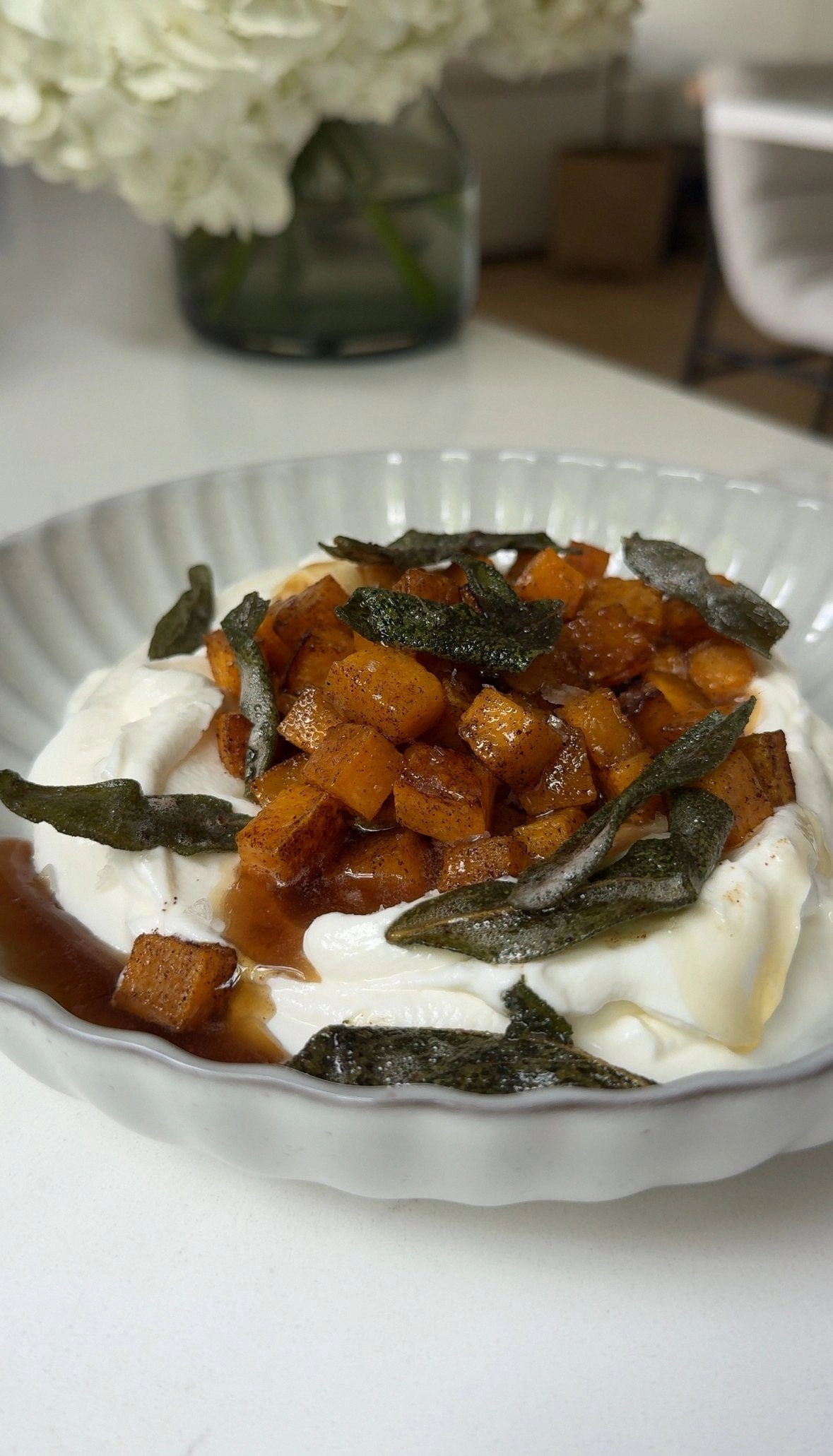
What sets this dip apart is not just its flavor profile but the way every component works in harmony. The roasted squash forms a creamy base that feels like a cloud, the labneh adds a tangy, probiotic lift that cuts through the richness, and the pomegranate arils introduce a pop of citrusy sweetness that dances on the palate. The sage leaves, toasted just until they crackle, release an earthy depth that anchors the dip, while the allspice and kosher salt create a subtle, savory backbone that keeps the dish from feeling one-dimensional. This is hands down the best version you'll ever make at home, because it takes a simple ingredient and turns it into a multi-sensory experience.
I dare you to taste this and not go back for seconds. If you've ever struggled with creating a dip that feels both indulgent and balanced, you're not alone—I've been there, and I've got the fix. Most recipes get this completely wrong by over‑cooking the squash or using a bland base, but here, the technique is pure magic. Picture yourself pulling this out of the oven, the whole kitchen smelling incredible, and knowing that every bite will be a revelation. Let me walk you through every single step—by the end, you'll wonder how you ever made it any other way.
What Makes This Version Stand Out
Flavor: The combination of roasted squash, sage, and allspice creates a complex, earthy sweetness that feels both comforting and adventurous.
Texture: The creamy labneh base gives a silky mouthfeel that coats crackers like velvet, while the pomegranate arils provide a delightful crunch.
Simplicity: Only eight ingredients, all of which you can find in any grocery store, make this dip a no-fuss favorite.
Uniqueness: The use of labneh instead of yogurt adds a tangy depth and a probiotic boost, elevating the dip from ordinary to extraordinary.
Crowd Appeal: Whether you’re hosting a game night or a casual gathering, this dip is guaranteed to be the star of the show.
Ingredient Quality: Fresh sage leaves and high‑quality labneh are the secret weapons that bring the flavor to life.
Cooking Method: Roasting the squash at the right temperature unlocks its natural sugars, creating a caramelized finish that is simply irresistible.
Make‑Ahead Potential: The dip can be prepared up to two days in advance, making it a perfect stress‑free option for busy evenings.
Alright, let's break down exactly what goes into this masterpiece…
Inside the Ingredient List
The Flavor Base
1 cup cubed butternut squash is the star that brings a natural sweetness and a silky texture when roasted to perfection. If you skip it, the dip loses its heart, becoming a bland, dairy‑heavy spread. Swap with sweet potato cubes for a different but equally delightful sweetness, or use pumpkin for a slightly earthier tone. When selecting squash, look for firm, glossy skin with no blemishes; this guarantees a uniform roast and prevents watery pockets.
The Texture Crew
4 tbsp unsalted butter and 1 tbsp olive oil collaborate to create a luscious, buttery base that coats the squash and enhances the sage’s aroma. The butter provides depth and richness, while the olive oil keeps the mixture from becoming too heavy. If you’re watching calories, replace half the butter with extra virgin olive oil; the flavor profile will shift slightly but remain delicious. Remember, the butter should melt into the squash, not sit on top—stir until it’s fully incorporated.
The Unexpected Star
1 container labneh is the game‑changer that adds tang, creaminess, and a probiotic boost. Labneh, a strained yogurt, offers a thicker consistency and a sharper tang than regular yogurt, giving the dip a velvety finish. If you can’t find labneh, Greek yogurt works in a pinch, but the texture will be a bit looser. The key is to let the labneh warm slightly before mixing, so it blends smoothly with the roasted squash.
The Final Flourish
1/4 cup pomegranate arils bring a burst of citrusy sweetness and a satisfying crunch that contrasts the creamy dip. They also add a pop of color, making the dish visually stunning. If pomegranates are out of season, dried cranberries or candied citrus peel can substitute, though the flavor will shift to a more tart profile. The sage leaves, toasted just until they crackle, release a warm, earthy aroma that lingers, while the allspice and kosher salt tie everything together with a subtle savory note.
Everything's prepped? Good. Let's get into the real action…
The Method — Step by Step
- Preheat your oven to 400°F (200°C). Arrange the cubed butternut squash in a single layer on a sheet pan lined with parchment paper. The even spacing ensures uniform roasting. I swear the aroma that follows is worth every second of waiting.
- Drizzle 1 tbsp olive oil over the squash. Toss gently to coat each cube, then season with 1 tsp allspice and 1/4 tsp kosher salt. The allspice adds a warm, peppery undertone that balances the sweetness. This is where the magic begins.
- Roast for 25–30 minutes. Stir halfway through to promote even browning. The edges should develop a golden, caramelized crust—think crispy edges that shatter like thin ice. The squash should be tender when pierced with a fork.
- While the squash roasts, toast 8 fresh sage leaves. Place them in a dry skillet over medium heat until they crackle and turn slightly browned. This step releases their earthy aroma and adds depth. Remove and set aside.
- Let the squash cool slightly. Transfer to a food processor and add the roasted sage leaves, 4 tbsp unsalted butter, and 1 container labneh. Pulse until you achieve a smooth, creamy consistency. If the mixture is too thick, add a splash of warm milk or water.
- Fold in 1/4 cup pomegranate arils. They’ll add a bright burst of sweetness and a delightful crunch. The contrast between the velvety dip and the popping arils is pure joy.
- Adjust seasoning. Taste and add more salt if needed. The dip should have a balanced flavor—sweet, savory, and tangy all in one.
- Transfer to a serving bowl. Drizzle a little olive oil on top and garnish with extra sage leaves if desired. Serve immediately with your favorite crackers for dipping.
That's it — you did it. But hold on, I've got a few more tricks that'll take this to another level…
Insider Tricks for Flawless Results
The Temperature Rule Nobody Follows
Many people roast squash at 350°F, but 400°F is the sweet spot for caramelization. The higher heat brings out the natural sugars faster, giving that deep, buttery flavor. I once tried 350°F and ended up with a soggy dip. Switching to 400°F made all the difference.
Why Your Nose Knows Best
When the squash starts to turn golden, the scent of roasted allspice is unmistakable. That smell is your cue that the flavor profile is on point. Trust your nose—it’s a reliable indicator that the dip is ready to move on to the next step.
The 5‑Minute Rest That Changes Everything
Let the roasted squash rest for exactly five minutes after pulling it from the oven. This brief pause allows the steam to redistribute, resulting in a moister, more flavorful base. It also gives you a chance to finish your prep without rushing.
The Labneh Warm‑Up
Labneh tends to be thick and cold straight from the fridge. Warm it in a microwave for 15–20 seconds before adding it to the processor. This ensures a smoother blend and prevents the dip from becoming lumpy.
The Sage Toast Trick
Toast sage leaves just until they crackle; don't let them burn. The crackling releases a burst of aroma that permeates the dip. If you burn them, the bitterness will overpower the sweetness of the squash.
The Pomegranate Pop
Add pomegranate arils last to preserve their crunch. If you add them too early, they’ll release juice and soften, losing that satisfying bite. A quick stir before serving keeps them vibrant.
Creative Twists and Variations
This recipe is a playground. Here are some of my favorite ways to switch things up:
Smoky Chipotle Version
Add a teaspoon of chipotle powder to the roasted squash for a smoky kick. Pair with corn tortilla chips for a Mexican-inspired snack.
Herb‑Infused Citrus Dip
Replace labneh with Greek yogurt and add a tablespoon of lemon zest. Toss in fresh thyme for a bright, herby flavor that pairs well with baguette slices.
Nutty Crunch Variation
Fold in a handful of toasted walnuts or pecans for added texture and a buttery nuttiness that complements the squash.
Vegan Labneh Swap
Use a store‑bought vegan labneh or make your own by blending silken tofu with lemon juice and nutritional yeast for a tangy, dairy‑free base.
Sweet & Salty Fusion
Drizzle honey over the finished dip and sprinkle sea salt flakes on top. The sweetness of honey balances the savory notes, creating a delightful contrast.
Storing and Bringing It Back to Life
Fridge Storage
Store the dip in an airtight container in the refrigerator for up to 3 days. The flavors will continue to meld, making it even more delicious the next day.
Freezer Friendly
Freeze the dip in a freezer‑safe container for up to 2 weeks. Thaw overnight in the fridge before serving to preserve the creamy texture.
Best Reheating Method
Reheat gently on the stovetop over low heat, stirring frequently. Add a tiny splash of water or milk before reheating to steam back to perfection and prevent the dip from drying out.