When I first tried to recreate my grandmother's Palak Paneer, I nearly set the kitchen on fire. The pot was bubbling like a volcano, the air thick with the scent of cumin and garlic, and I was laughing at the chaos that followed. The moment the spinach turned from bright green to a deep, almost velvety shade, I knew something was off—my version was missing that silky, buttery finish that makes this dish unforgettable. I was determined to find the secret, and after countless experiments, I discovered a technique that transforms ordinary spinach into a lush, creamy base that clings to every bite. I dare you to taste this and not go back for seconds.
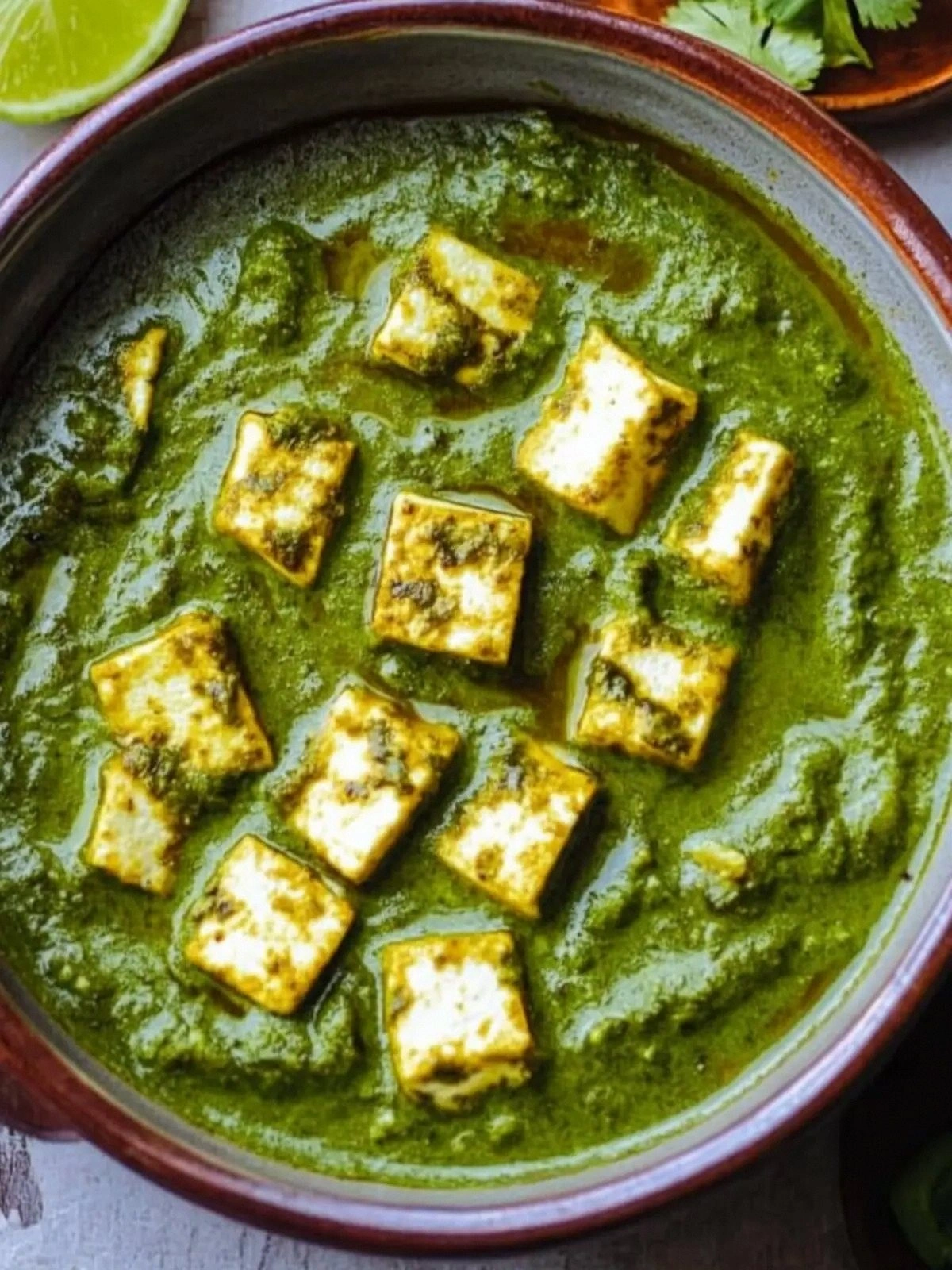
The first time I tasted my version, the aroma hit me like a wave, the warm, earthy spices mingling with the fresh, green tang of spinach. My eyes widened as the sauce settled into a glossy sheen, the paneer cubes glistening like tiny moons in a midnight sky. The texture was a revelation—soft, tender paneer enveloped in a silky spinach gravy that felt like a hug in every mouthful. The heat from the red chili powder was just enough to tease the palate, a subtle dance of warmth that left a lingering smile on my lips. That instant, I realized this dish was not just a meal; it was an experience that could transform an ordinary evening into a celebration.
What makes this version stand out is not just the ingredients but the way they are orchestrated. I use a splash of fresh cream that adds a luxurious richness without overpowering the natural flavor of spinach. The paneer is lightly pan‑seared to create a golden crust that holds its shape, offering a delightful contrast to the velvety sauce. The combination of cumin seeds, turmeric, and garam masala is balanced to produce a depth of flavor that feels both comforting and sophisticated. The method ensures that every spoonful is packed with color, aroma, and a whisper of heat that invites you to dig in again. I’ll be honest—I ate half the batch before anyone else got to try it.
Most recipes get this completely wrong, focusing on either overcooking the spinach or underseasoning the paneer. I’ve found that the key is in the timing: sauté the aromatics until they’re fragrant, then add the spinach and let it wilt just enough to release its juices before simmering with the spices. This step is the game‑changer that gives the dish its signature silky texture. Picture yourself pulling this out of the stove, the whole kitchen smelling incredible, and a pot of creamy goodness waiting to be devoured. Let me walk you through every single step—by the end, you'll wonder how you ever made it any other way.
What Makes This Version Stand Out
- Texture: The spinach is pureed to a smooth consistency that coats the paneer, creating a mouth‑watering, velvety mouthfeel that feels luxurious on the tongue.
- Flavor Balance: A delicate equilibrium of cumin, turmeric, and garam masala ensures depth without overpowering the fresh green notes of the spinach.
- Heat Control: The use of 0.5 tsp red chili powder gives a gentle, lingering warmth that elevates the dish without making it fiery.
- Simplicity: Despite its sophisticated taste, the recipe requires only a handful of ingredients, making it accessible for beginners and busy cooks alike.
- Make‑Ahead Friendly: The sauce can be stored in the fridge for up to 48 hours, and the paneer can be reheated without losing its texture.
- Visual Appeal: The vibrant green hue of the spinach gravy juxtaposed with the ivory paneer creates an Instagram‑ready plate that looks as good as it tastes.
Alright, let's break down exactly what goes into this masterpiece...
Inside the Ingredient List
The Flavor Base
Fresh spinach is the heart of this dish, providing a subtle sweetness and a burst of antioxidants. Its high water content is essential for creating the creamy base that the paneer soaks into. If you skip spinach, you lose the signature green color and the natural umami that balances the spices.
Garlic adds a robust, savory depth that anchors the flavor profile. The cloves should be minced finely to release their full aroma without overwhelming the palate. If you prefer a milder taste, reduce the garlic to three cloves or opt for garlic powder.
Ginger brings a bright, peppery zing that cuts through the richness of the cream. Grate it finely to ensure even distribution. An alternative is to use ginger paste, which offers a smoother texture.
The Texture Crew
Paneer is the star protein that holds its shape even after simmering. It should be cut into bite‑sized cubes and lightly pan‑seared to develop a golden crust. If you can’t find paneer, firm tofu can be a suitable substitute, though the texture will differ slightly.
Oil or ghee is the cooking medium that carries the spices and helps them bloom. Ghee adds a nutty undertone that elevates the dish, while oil keeps it lighter. Use a neutral oil if you want a cleaner taste.
The Unexpected Star
Fresh cream or crème fraîche is the secret weapon that turns a simple spinach gravy into a silky, indulgent sauce. It adds a subtle sweetness and a velvety texture that coats every spoonful. If you’re watching calories, replace it with coconut milk for a lighter version.
Water is added to adjust the consistency of the gravy. Too much water can thin the sauce, while too little will make it too thick. Aim for a pourable but still thick consistency that clings to the paneer.
The Final Flourish
Cumin seeds and cumin powder give the dish an earthy, warm aroma. The seeds are toasted to release their essential oils, while the powder provides a subtle depth. If you’re allergic to cumin, substitute with coriander powder for a milder flavor.
Turmeric powder adds a golden hue and mild bitterness that balances the sweetness of the cream. It also has anti‑inflammatory properties that make the dish not just tasty but slightly healthier.
Red chili powder, garam masala, and a pinch of salt bring the dish together with heat, warmth, and savory depth. Adjust the chili to your heat tolerance; the dish remains delicious even with a milder kick.
Everything's prepped? Good. Let's get into the real action...
The Method — Step by Step
- Prep the aromatics. Dice the onion, mince the garlic, and grate the ginger. Heat the oil or ghee in a heavy‑bottomed pan over medium heat until shimmering. Add the cumin seeds and let them sizzle for 10‑15 seconds, releasing their nutty aroma. Stir in the onion and sauté until translucent, about 4 minutes, ensuring it doesn't brown. This step builds the flavor foundation that will carry the rest of the dish.
- Introduce the spices. Sprinkle in the turmeric, red chili powder, cumin powder, and garam masala. Stir constantly for 30 seconds to toast the spices, allowing their oils to bloom. The pan should emit a fragrant perfume that signals readiness. This is the moment of truth—if the spices turn bitter, you’ll notice it immediately. Keep the heat moderate to avoid scorching.
- Whisk in the spinach. Add the fresh spinach in a single layer, letting it wilt before stirring. Once wilted, use a spatula to blend the spinach into the spice mixture until it forms a smooth, green paste. If you prefer a chunkier texture, leave some leaves whole. The spinach should release its juices, turning the pan into a fragrant, verdant stew.
- Simmer with water. Pour in 0.5 cup of water to thin the gravy slightly. Bring to a gentle simmer, then reduce the heat and let it cook for 5 minutes. This allows the spices to meld with the spinach and creates a harmonious flavor profile. Stir occasionally to prevent sticking.
- Pan‑sear the paneer. While the gravy simmers, heat a separate non‑stick skillet over medium heat. Add a splash of oil and place the paneer cubes in a single layer. Sear each side until golden brown, about 2 minutes per side. The seared paneer adds a delightful crunch and a caramelized flavor that contrasts with the smooth gravy.
- Combine paneer and gravy. Gently fold the paneer cubes into the simmering spinach sauce. Cook for another 3 minutes, allowing the paneer to absorb the flavors. Keep the heat low to prevent the sauce from thickening too much. This step ensures that each bite is a harmonious blend of textures and tastes.
- Finish with cream. Lower the heat to low and stir in the fresh cream or crème fraîche. Let it heat through, but avoid boiling to preserve the cream’s silky texture. The cream should coat the paneer and spinach, creating a glossy, luxurious finish.
- Plate and serve. Transfer the palak paneer to a serving dish. Garnish with a drizzle of cream or a sprinkle of fresh coriander if desired. Serve hot with naan, roti, or steamed rice. The dish should emit a warm, inviting aroma that beckons everyone to dig in. The final presentation is as important as the taste—let the vibrant green and ivory contrast shine.
That's it — you did it. But hold on, I've got a few more tricks that'll take this to another level...
Insider Tricks for Flawless Results
The Temperature Rule Nobody Follows
Many cooks think any heat level works, but the secret lies in precise temperature control. Start the sauté at medium heat, then lower to medium‑low once the spices are toasted. This prevents burning while allowing the flavors to develop fully. If you skip this step, the dish will taste bitter and the spinach will become mushy.
Why Your Nose Knows Best
As the dish cooks, the aroma will evolve. A subtle, nutty scent indicates the spices are blooming, while a sharp, raw smell signals overcooking. Trust your nose to gauge readiness; this sensory checkpoint saves you from a ruined meal.
The 5‑Minute Rest That Changes Everything
After simmering, let the palak paneer rest for five minutes off the heat. This rest period allows the flavors to marry and the gravy to thicken slightly. Skipping this step can leave the dish feeling underdeveloped.
Use Fresh Paneer for Best Texture
Stale or pre‑cooked paneer can become rubbery when reheated. Fresh paneer holds its shape better and absorbs the sauce more evenly. If you must use store‑bought paneer, rinse it under cold water and pat dry before searing.
Keep the Spinach Pureed, Not Chopped
Pureeing the spinach creates a velvety base that coats the paneer. Chopped spinach can leave uneven textures and pockets of raw flavor. For a richer sauce, blend the spinach until completely smooth.
Season in Layers
Don’t add all the salt at once. Season after each major step—once the aromatics are sautéed, once the spinach is blended, and again before adding the cream. Layering the salt ensures balanced flavor and prevents the dish from becoming too salty.
Creative Twists and Variations
This recipe is a playground. Here are some of my favorite ways to switch things up:
Smoky Paneer
Add a pinch of smoked paprika or a few drops of liquid smoke before adding the cream. The smoky undertone pairs beautifully with the earthiness of the spinach, creating a dish that feels like a campfire in your kitchen.
Nutty Crunch
Top the finished dish with toasted pine nuts or slivered almonds. The crunchy texture contrasts with the silky gravy and adds a nutty flavor that elevates the dish.
Vegan Palak
Replace paneer with tofu cubes and use coconut milk instead of fresh cream. The result is a plant‑based version that still delivers creamy richness and a satisfying bite.
Spicy Green Curry
Increase the red chili powder to 1 tsp and add a handful of green chilies for an extra kick. The dish becomes a fiery green curry that pairs well with jasmine rice.
Herb‑Infused
Stir in a handful of fresh basil or mint leaves at the end. The herbs add brightness and a subtle sweetness that refreshes the palate.
Instant Pot Version
Cook the aromatics, spinach, and spices in the Instant Pot, then add paneer and cream. Set to sauté mode for 5 minutes to finish. This method reduces cooking time while still delivering a creamy, flavorful dish.
Storing and Bringing It Back to Life
Fridge Storage
Store the palak paneer in an airtight container in the refrigerator for up to 48 hours. The gravy will thicken slightly, but it remains delicious.
Freezer Friendly
For longer storage, freeze the dish in a freezer‑safe container for up to 2 months. Thaw overnight in the refrigerator before reheating.
Best Reheating Method
Reheat on low heat, adding a splash of water or milk to restore the sauce's original consistency. Stir gently until heated through; avoid high heat to prevent the sauce from separating.