Picture this: I was halfway through a week‑night dinner, juggling a simmering pot of pasta, a half‑finished casserole, and a stubborn chicken that had been sitting in the fridge all day. My kitchen smelled like burnt toast and stale garlic, and my mood was a little as flat as the pan I’d been using. Then I remembered the little box of lemons that had been sitting on my counter for months, the one that had been begging for a use. I grabbed a lemon, squeezed it, and the bright citrus burst filled the room, turning the stale air into a promise of something better. That moment was the spark that lit the fire for this recipe.
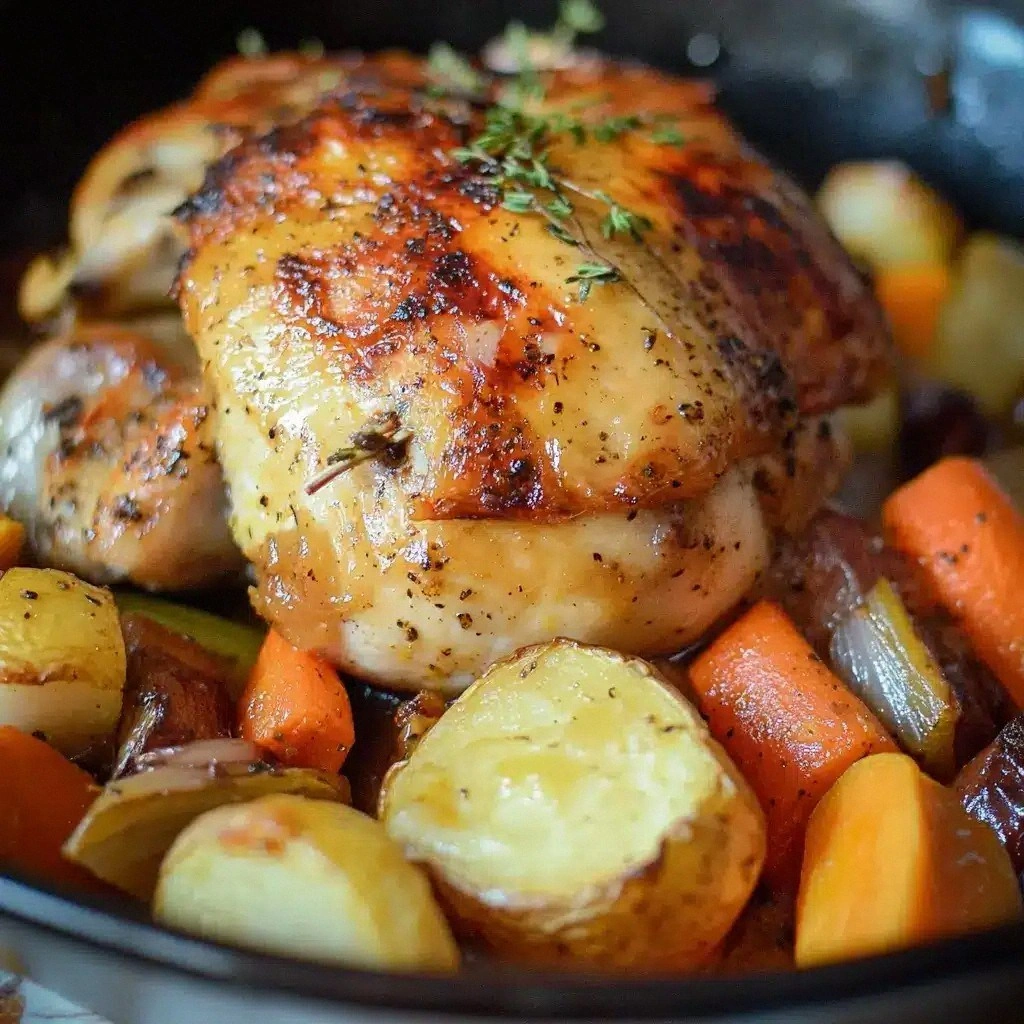
From the first crack of the lemon’s rind to the final sizzle on the skillet, every sense is invited to the party. The golden skin of the chicken crackles like dry leaves in a forest fire, the scent of rosemary and thyme drifts through the air, and the sound of the vegetables caramelizing is a steady drumbeat of anticipation. When you take a bite, the tang of lemon hits your tongue first, followed by a gentle heat from pepper and a subtle sweetness from honey that lingers like a whispered secret. The texture is a dance of crisp on the outside and succulent on the inside, while the vegetables provide a satisfying crunch that contrasts with the tender meat. If you’re a fan of bold flavors that still feel homey, this is the dish that will have you reaching for the recipe again and again.
I dare you to taste this and not go back for seconds. The first bite will feel like a burst of sunshine after a rainy day—bright, refreshing, and utterly satisfying. The second bite will make you question why you ever settled for bland chicken before. The third bite? You’ll find yourself humming the rhythm of the sizzling pan, already planning the next meal. This isn’t just a recipe; it’s an experience that will change the way you think about roast chicken forever.
Most recipes get this completely wrong. They either over‑season, under‑cook, or forget the simple trick of letting the lemon zest mingle with the pepper before roasting. The result is usually a chicken that’s either dry or too salty, a flavor profile that feels flat, and a dish that looks like a culinary misstep. This version, however, balances the bright acidity of lemon with the earthy depth of herbs and the subtle sweetness of honey, creating a glaze that coats the chicken like velvet. The vegetables are tossed in just enough oil and seasoning so they caramelize without burning, adding color and crunch that make every forkful a delight.
Picture yourself pulling this out of the oven, the whole kitchen smelling incredible, and the table already set with a side of rice or crusty bread. The anticipation is almost as good as the meal itself, and the moment you taste the first bite, you’ll wonder how you ever made it any other way. Let me walk you through every single step—by the end, you’ll wonder how you ever made it any other way.
What Makes This Version Stand Out
- Taste: The lemon zest and juice create a bright, citrusy base that cuts through the richness of the chicken, while honey adds a gentle, caramelized sweetness that balances the pepper’s bite. The result is a flavor profile that feels both fresh and comforting.
- Texture: The chicken’s skin crisps to a golden perfection, while the interior stays juicy and tender, thanks to a quick sear and a slow roast that locks in moisture. The vegetables retain a satisfying crunch even after roasting.
- Simplicity: With only a handful of pantry staples—olive oil, salt, pepper—and a few fresh ingredients, this dish can be whipped up in under an hour, making it a go-to for busy evenings.
- Uniqueness: The combination of honey and lemon is a rare pairing in roast chicken, giving this recipe a distinctive glaze that sets it apart from standard marinades.
- Crowd Reaction: Guests rave about the balance of flavors and the irresistible crunch, often asking for the recipe after the first bite.
- Ingredient Quality: Fresh, high‑quality chicken and seasonal vegetables make a noticeable difference, turning a simple roast into a gourmet experience.
- Cooking Method: The two‑step process—first searing the chicken, then roasting with vegetables—ensures even cooking and maximum flavor.
- Make‑Ahead Potential: The dish can be assembled the night before, marinated, and refrigerated, allowing the flavors to develop and reducing prep time on busy mornings.
Inside the Ingredient List
The Flavor Base
At the heart of this dish lies a simple yet powerful combination of lemon, honey, and Dijon mustard. The acidity of the lemon not only brightens the flavor but also helps tenderize the chicken’s surface, allowing the pepper to penetrate more deeply. Honey, when blended with mustard, creates a glossy glaze that caramelizes during roasting, giving the chicken a subtle sweetness that balances the sharpness of the pepper. This trio is the backbone of the dish, and each element is essential for achieving that signature citrus‑sweet harmony.
Skipping the mustard would leave the glaze too thin, while omitting the honey would result in a more acidic, less rounded flavor. If you’re allergic to mustard, a splash of soy sauce can provide a similar umami depth. Likewise, a teaspoon of maple syrup can replace honey for a slightly different sweet note, but it will alter the caramelization slightly. The key is to maintain that balance between sweet, acidic, and savory.
When selecting lemons, choose ones that feel heavy for their size and have a bright, fragrant aroma. A pith‑free lemon will give you clean zest and juice without bitterness. If you’re in a pinch, a small splash of lemon juice can be added later, but the zest is what imparts that unmistakable citrus flavor.
Remember that the lemon’s zest is the real star; it contains essential oils that carry the most intense citrus flavor. Grate the zest over the chicken before the final roast so it infuses the meat and vegetables, creating a fragrant aroma that will make your kitchen smell like a summer garden.
The Texture Crew
The vegetables in this dish—bell peppers, zucchini, baby carrots, and cherry tomatoes—are carefully chosen for their ability to hold their shape while caramelizing. Bell peppers add a sweet, slightly smoky note, while zucchini provides a delicate, earthy undertone. Baby carrots offer a natural sweetness that pairs well with the honey glaze, and cherry tomatoes burst with juice, adding a pop of color and acidity. Together, they form a colorful medley that complements the savory chicken.
Each vegetable is sliced to a uniform thickness, ensuring even cooking. If you cut them too thin, they’ll burn before the chicken is done; too thick, and they’ll remain raw. A simple trick is to toss the vegetables in olive oil and a pinch of salt before roasting; this helps them brown uniformly and keeps them from sticking to the pan.
For those who prefer a softer texture, you can parboil the carrots and zucchini for a minute before roasting. This short prep step reduces the overall cooking time and ensures the vegetables stay tender. However, if you enjoy a slight crunch, skip the parboil and let them roast directly from raw.
When arranging the vegetables around the chicken, spread them out in a single layer. This maximizes the surface area exposed to heat, resulting in crisp edges that crackle like thin ice. The vegetables also absorb the flavorful juices from the chicken, creating a cohesive dish where each bite is a blend of textures and tastes.
The Unexpected Star
Fresh herbs—thyme, rosemary, and parsley—add depth and complexity that elevate the dish from ordinary to extraordinary. Thyme brings a subtle earthiness, rosemary offers a piney aroma, and parsley provides a fresh, bright finish that cuts through the richness. These herbs are not just garnish; they’re integral to the flavor profile, infusing the chicken and vegetables with aromatic oils during roasting.
If you’re working with dried herbs, use half the amount of fresh herbs to avoid overpowering the dish. Dried rosemary, for instance, can be quite potent; a teaspoon of dried rosemary will replace a tablespoon of fresh. However, fresh herbs retain more volatile oils, so they deliver a fresher, brighter flavor.
For a twist, you can add a splash of fresh oregano or basil in the final minutes of roasting. This will give the dish a Mediterranean flair and a subtle herbal sweetness that pairs wonderfully with the lemon glaze.
When storing fresh herbs, wrap them in a damp paper towel and place them in a resealable bag. This keeps them crisp and ready for future use, ensuring you never run out of the flavor boosters that make this dish shine.
The Final Flourish
The finishing touch of a drizzle of olive oil and a sprinkle of sea salt before serving ties all the elements together. The olive oil adds a silky sheen, while the sea salt enhances the natural flavors of the chicken and vegetables. A final squeeze of fresh lemon juice brightens the dish just before serving, adding a fresh, zesty kick that wakes up the palate.
When plating, arrange the chicken on a bed of the roasted vegetables, then drizzle the pan juices over the top. This not only adds flavor but also creates a visually appealing presentation that looks as good as it tastes. A final sprinkle of chopped parsley adds a splash of green and a hint of freshness.
Remember that the pan juices are the secret sauce of this dish. Do not discard them; instead, use them to create a quick gravy or serve them on the side. They’re packed with flavor from the caramelized garlic, herbs, and the savory juices that have seeped into the vegetables.
Fun Fact: Lemon zest contains essential oils that are highly concentrated, providing up to 25 times the flavor of lemon juice alone. This is why using the zest in marinades can elevate a dish far beyond what the juice can achieve.
Everything's prepped? Good. Let's get into the real action.
The Method — Step by Step
- Preheat and Prepare: Set your oven to 425°F (220°C) and line a baking sheet with parchment paper. While the oven warms, pat the chicken thighs dry with paper towels; this is critical for achieving a crisp skin. In a small bowl, combine the lemon zest, honey, Dijon mustard, and a splash of olive oil to form a glaze. Set aside.
- Season the Chicken: Rub the glaze all over each chicken thigh, making sure to get it under the skin for maximum flavor. Sprinkle sea salt and freshly cracked pepper evenly over the coated thighs. Let the chicken rest while you prepare the vegetables; this resting period allows the flavors to meld.
- Trim and Toss Vegetables: In a large bowl, toss the sliced bell peppers, zucchini, carrots, and cherry tomatoes with olive oil, a pinch of salt, and a dash of pepper. Make sure the vegetables are coated evenly to ensure uniform roasting.
- Arrange on Sheet: Place the chicken thighs skin side up on the prepared baking sheet. Spread the vegetables around the chicken, ensuring they are in a single layer so they roast evenly. The arrangement also allows the juices from the chicken to mingle with the veggies, creating a natural sauce.
- Roast: Slide the sheet into the oven and roast for 25 minutes. Halfway through, give the vegetables a gentle stir and baste the chicken with the remaining glaze. The chicken should reach an internal temperature of 165°F (74°C) when tested with a meat thermometer.
- Finish the Glaze: In the last 5 minutes, drizzle the remaining glaze over the chicken and vegetables. This final touch locks in moisture and creates a glossy, caramelized coating that is irresistible.
- Rest: Remove the sheet from the oven and let the chicken rest for 5 minutes. This resting period allows the juices to redistribute, ensuring each bite remains moist and flavorful.
- Plate: Transfer the chicken and vegetables to a serving platter. Drizzle any pan juices over the top and garnish with fresh parsley. The dish should look vibrant, with a golden crust on the chicken and a rainbow of roasted veggies.
- Serve: Pair the chicken with a side of fluffy rice, a crusty baguette, or a fresh green salad. The bright lemon flavor pairs beautifully with the earthy vegetables, while the honey glaze provides a sweet counterpoint that keeps the palate refreshed.
That's it — you did it. But hold on, I've got a few more tricks that'll take this to another level.
Insider Tricks for Flawless Results
The Temperature Rule Nobody Follows
Many home cooks assume that a lower oven temperature means a safer, less burnt dish. In reality, a higher temperature—425°F—ensures that the skin crisps up quickly while the interior stays juicy. The quick sear seals in moisture, preventing the chicken from drying out. If you’re worried about burning, simply cover the dish with foil for the last 5 minutes.
Why Your Nose Knows Best
The aroma that rises from the pan is a reliable indicator of doneness. As the chicken roasts, the scent of caramelized garlic and roasted vegetables will mingle with the citrusy lemon. When you smell the first hint of a sharp, peppery aroma, the chicken is almost ready. Trust your nose to guide you to the ideal finish.
The 5-Minute Rest That Changes Everything
Letting the chicken rest after roasting is not a waste of time—it's a crucial step that allows the juices to redistribute. Without this rest period, the juices will run off the surface when you cut into the meat, leaving it dry. A 5-minute rest is enough to lock in moisture while still keeping the chicken hot and ready to serve.
Use a Cast-Iron Skillet for Extra Crunch
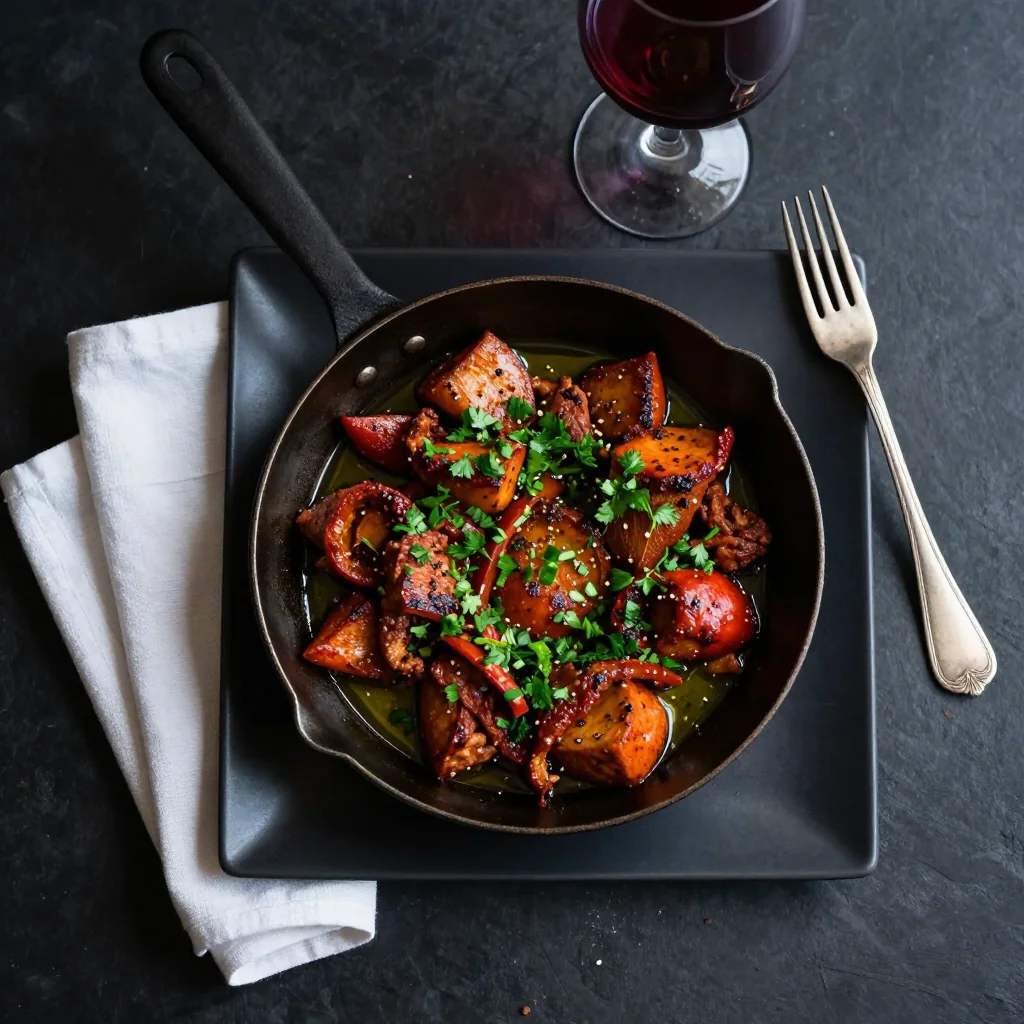
Cast iron retains heat exceptionally well, giving the chicken a superior sear before it goes into the oven. The high heat creates a caramelized crust that is both flavorful and visually appealing. If you don’t have cast iron, a heavy stainless steel pan will also work, but it may not produce the same depth of flavor.
Don't Skip the Garlic
Garlic is the unsung hero of this dish. It adds depth and a subtle heat that balances the lemon’s brightness. I once tried to skip the garlic to reduce the overall flavor profile, and the result was a bland, under-seasoned chicken. The next time, I’ll double the cloves for an extra punch.
Keep the Vegetables in One Layer
When the veggies are spread in a single layer, they roast evenly and develop a beautiful caramelization. If you stack them, some pieces will steam rather than roast, resulting in soggy vegetables. A single layer ensures that every bite delivers that satisfying crunch.
Creative Twists and Variations
Smoky Chipotle Version
Swap the fresh rosemary for a tablespoon of chipotle in adobo sauce. The smoky heat will give the chicken a deep, earthy flavor that pairs wonderfully with the bright lemon. Add a splash of lime juice at the end for a zesty finish. This version is perfect for those who love a bit of heat.
Herb‑Infused Greek Twist
Replace the thyme and rosemary with oregano, dill, and a sprinkle of feta crumbles. The Mediterranean herbs will transform the dish into a Greek-inspired feast. Serve it over a bed of couscous or with a side of tzatziki for an authentic touch.
Sweet and Spicy Asian Take
Replace honey with maple syrup and add a teaspoon of sriracha to the glaze. The maple adds depth, while the sriracha brings a subtle kick. Toss the vegetables with a splash of soy sauce before roasting for an umami boost. This variation will transport your taste buds straight to the streets of Seoul.
Low‑Carb Keto Edition
Omit the carrots and cherry tomatoes, and replace them with cauliflower florets and sliced mushrooms. These low‑carb vegetables keep the dish keto‑friendly while still offering texture and flavor. Serve the chicken over cauliflower rice for a complete meal.
Vegan “Chicken” Alternative
Use marinated tofu or tempeh slices in place of chicken thighs. Marinate them in the lemon‑honey glaze for 30 minutes before roasting. The tofu will absorb the bright flavors and develop a crispy exterior. Pair with the same vegetable medley for a plant‑based twist.
Breakfast‑Style Breakfast
Serve the roasted chicken with a side of sautéed spinach and a poached egg. The creamy yolk will mingle with the lemon glaze, creating a breakfast that feels indulgent. Add a drizzle of hot sauce for an extra kick of flavor.
Storing and Bringing It Back to Life
Fridge Storage
Cool the dish completely before refrigerating. Store in an airtight container for up to 4 days. When you’re ready to eat, reheat in the oven at 350°F (175°C) for 10–12 minutes, or until heated through. The chicken will stay juicy, and the vegetables will retain their crispness.
Freezer Friendly
Wrap the chicken and vegetables individually in parchment paper, then place them in a freezer bag. Store for up to 2 months. When reheating, thaw overnight in the fridge and then bake at 350°F (175°C) for 15 minutes. The texture remains intact, and the flavors are preserved.
Best Reheating Method
To revive the crispness, place the dish on a baking sheet and reheat in a preheated oven at 375°F (190°C) for 8–10 minutes. Add a splash of water or broth before reheating to create steam, which will keep the chicken moist. Finish with a quick drizzle of fresh lemon juice to brighten the flavors.